

Join Over 40,300+ Professionals
Who build smart funnels and automations with FunneKit

Frictionless Checkouts
Email & SMS Marketing
Attractive Order Bumps
Rich Contact Profile
One Click Upsells
Workflow and Integrations
In-depth Analytics
Segmented Broadcast
A/B Testing
Revenue Tracking
Robust Rule Engine
Sliding Cart
Get FunnelKit Now

FunnelKit Blog

Recent Blogs
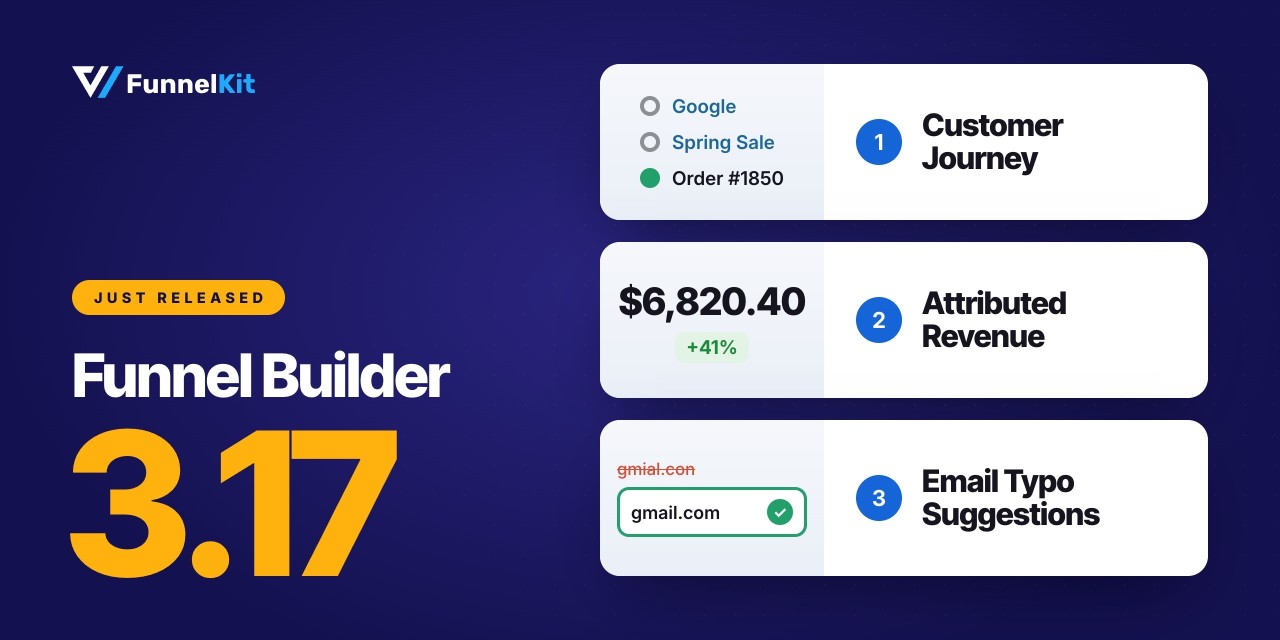
Introducing FunnelKit Funnel Builder 3.17: Customer Journey, Attributed Revenue & More
FunnelKit Funnel Builder 3.17 is here, and it brings something every store owner wants, i.e., a clearer picture of where their revenue comes from. Imagine a $186 order lands in your dashboard. That's great, but what led to the sale? Also, which landing page convinced the customer to buy? Which ad brought them in? Did they check your FAQ before placing the order, or head straight to checkout? Until now, your reports could show you that a sale happened. With FunnelKit Funnel Builder 3.17, you can see what happened along the way. Follow a customer's journey page by page, see how much revenue each landing page
Oct 15, 2026
Damanjeet
Join Over 40,300+
Subscribers to get free tips, tricks, and resources to grow your mailing list
Recent Blogs
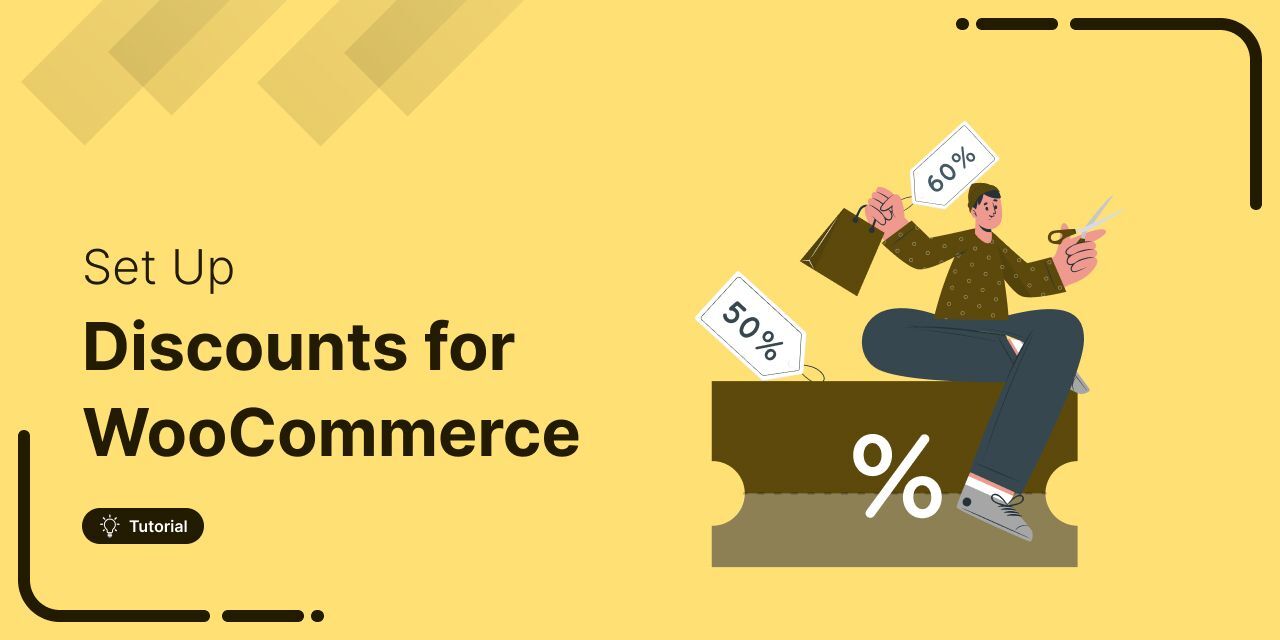
WooCommerce Discount: 11 Types and How to Set Them Up
A WooCommerce discount lowers what a shopper pays, either through a reduced product price or a code entered at checkout. Out of the box, WooCommerce gives you two ways to do this. You can set a sale price on any product, or create a coupon code with a percentage, fixed cart, or fixed product discount. That covers simple promotions. Offers that apply themselves, like bulk pricing tiers, BOGO deals, wholesale prices for a user role, or a reward once the cart passes a set amount, need a discount rules plugin. In this blog, we'll share all 11 discount types a store can run, which ones work
Oct 9, 2026
Editorial Team
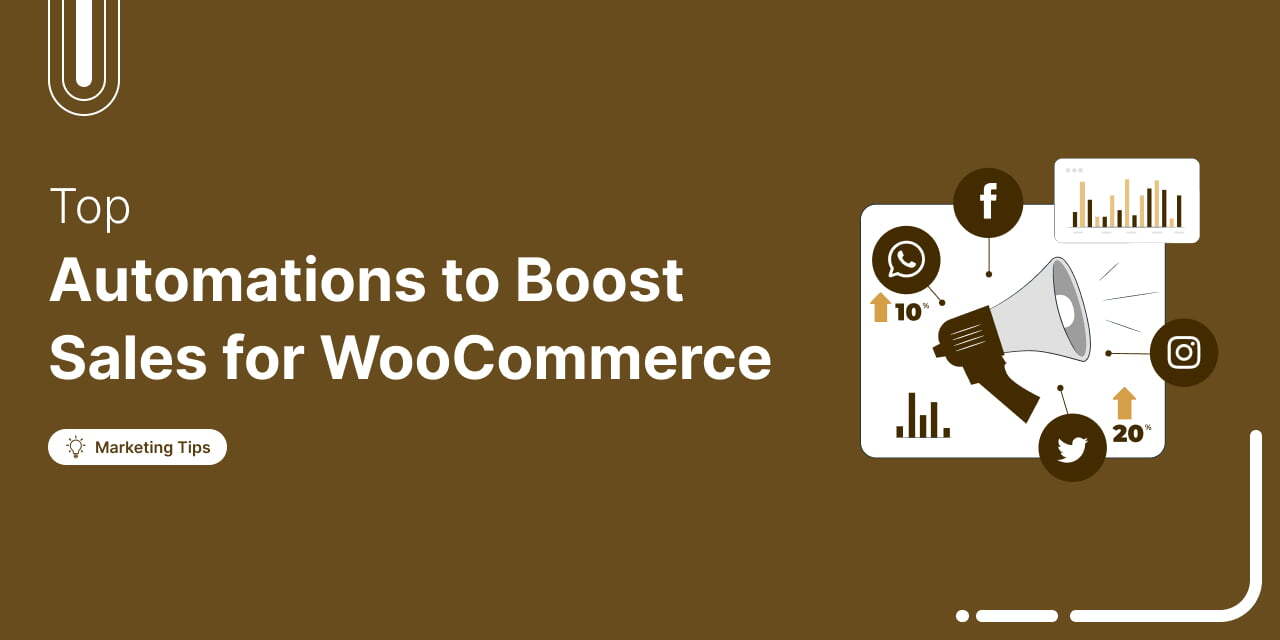
WooCommerce Automation: How It Works, What to Automate and Which Tool to Use
WooCommerce automation can tell you when a product is running low, but it won’t chase up a shopper who left something in their cart. WooCommerce handles things like order emails, stock alerts, and webhooks out of the box. But cart recovery, follow-up emails, and order syncing need an extra tool. For example, say you run a pet supplies store with 300 orders a month. If you spend five minutes copying order details, adding tags, and sending emails for each one, that’s 25 hours of manual work every month. And that doesn’t include the shoppers who leave items in their carts and never hear from you again.
Oct 8, 2026
Editorial Team
![How to Enable WooCommerce Guest Checkout to Reduce Friction and Boost Sales [2026]](https://funnelkit.com/wp-content/uploads/2025/04/How-to-Enable-WooCommerce-Guest-Checkout-in-Your-Store-FunnelKit.jpg)
How to Enable WooCommerce Guest Checkout to Reduce Friction and Boost Sales [2026]
WooCommerce guest checkout lets shoppers buy from your store without creating an account. They enter an email, their billing details, and payment, and the order goes through. It's a built-in setting, so turning it on is quick. What comes after takes more thought. Guest orders aren't tied to a customer profile, some products still need an account, and an open checkout can attract fake orders. In this blog, we'll share how to enable guest checkout, which account options to pair with it, when to keep accounts required, and how to fix it when it doesn't work. ⏱️ Short on time? Watch the video: What is WooCommerce
Oct 8, 2026
Editorial Team
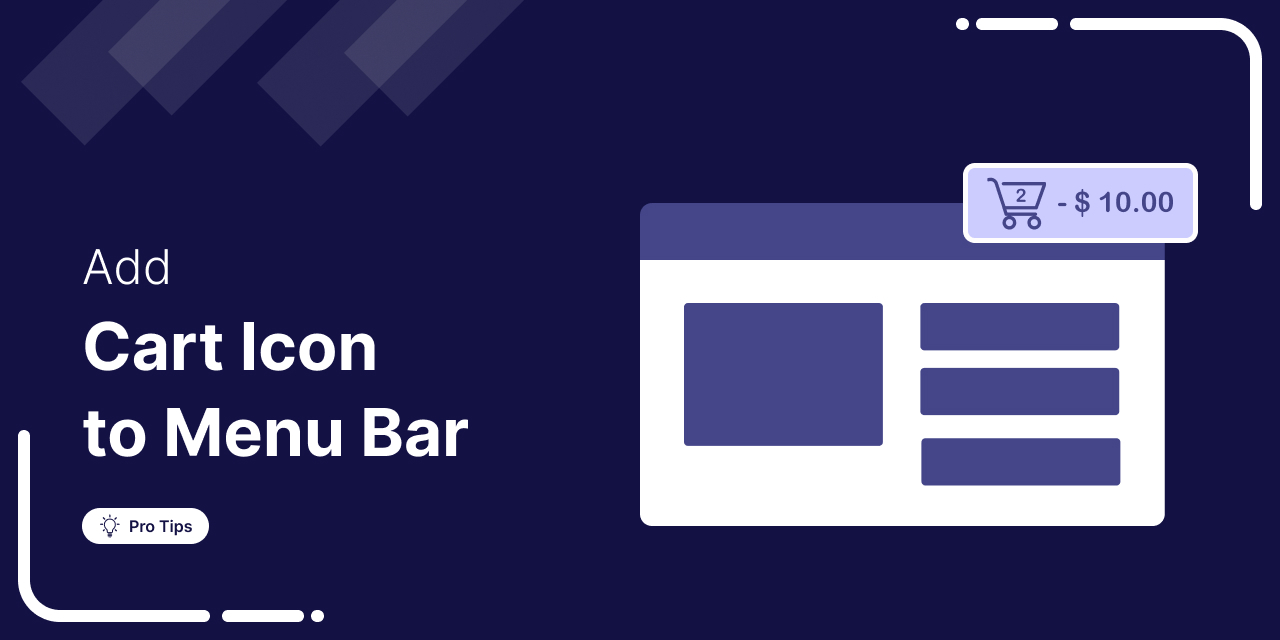
How to Add WooCommerce Cart Icon to Menu Bar
Have you ever noticed the cart icon at the top of many online stores? It’s more than just a design choice. It can greatly improve your customers' experience. A cart icon on the menu bar lets users access their cart with a single click, reducing anxiety about their order total and making shopping more convenient. By allowing customers to monitor their cart throughout their shopping journey, it also speeds up checkout and makes the entire process smoother. In this post, we'll show you how to add a WooCommerce cart icon to the menu bar, starting with a quick check for themes that already have it built
Oct 8, 2026
Editorial Team
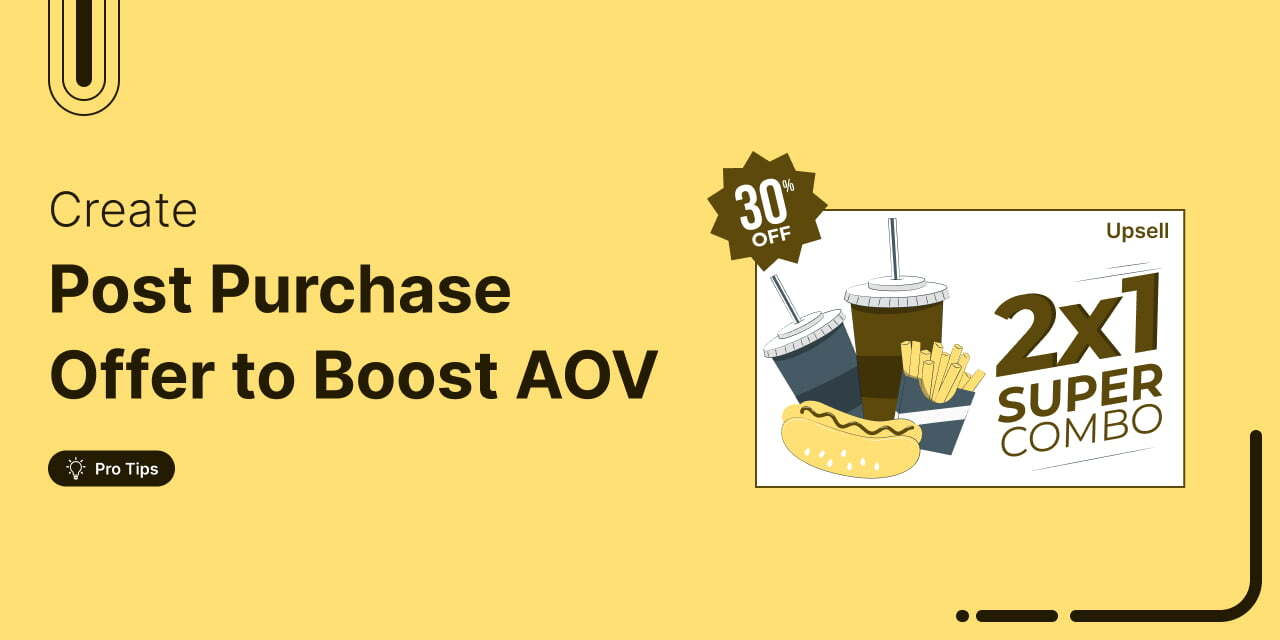
WooCommerce Upsells: How to Set Them Up (Native + Plugin Methods)
WooCommerce upsells are products you recommend in place of the one a shopper is viewing, usually a better or higher-priced version of it. WooCommerce has a built-in upsell field for this, and anything you add there shows up on the single product page. That covers one spot in the buying journey. To show offers in the cart, at checkout, right after payment, or in follow-up emails, you'll need a plugin. Upselling can lift revenue by 10-30% on average, because you're selling to someone who already has buying intent. The best part? You can automate the entire upselling process using the right funnel builder and checkout tools
Oct 7, 2026
Editorial Team
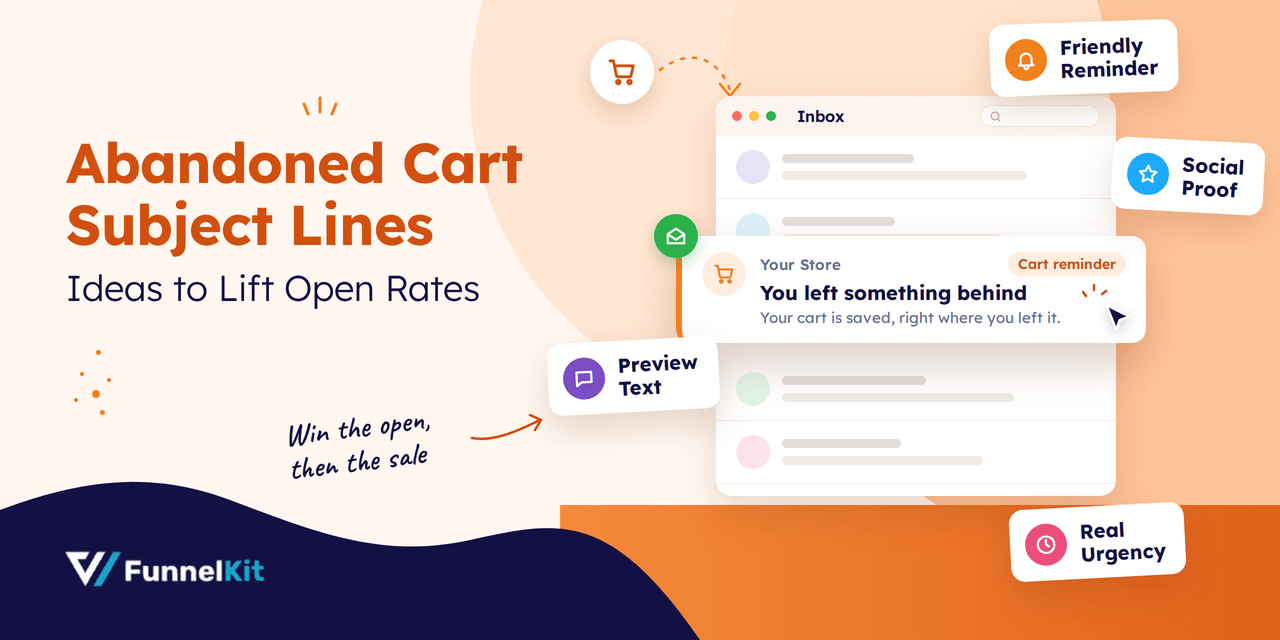
Abandoned Cart Subject Lines: 80+ Examples for Every Email in Your Sequence
Abandoned cart subject lines decide whether a shopper opens your recovery email or scrolls right past it. Everything inside that email, from the product photos to the coupon and the checkout button, only gets a chance once the subject line does its job. There's a lot riding on that. Baymard Institute's average across 50 studies puts the cart abandonment rate at 70.22%. Timing matters too. A shopper who left an hour ago only needs a light reminder, but someone who has skipped two of your emails usually needs a reason to come back, like free shipping or a straight answer to whatever stopped them at checkout.
Oct 6, 2026
Editorial Team
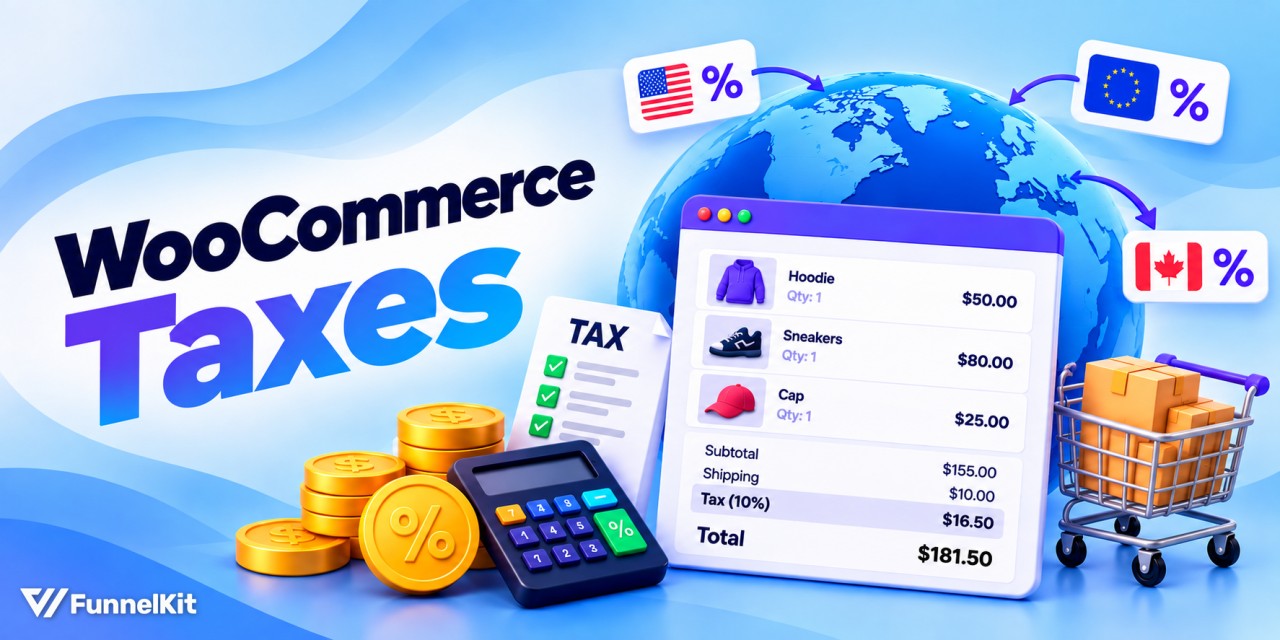
WooCommerce Taxes: How to Set Up, Automate and Fix Tax at Checkout
WooCommerce taxes start with a rate table you set up yourself. If you leave a state out of that table, orders going there can pass through with no tax. Say you run a yarn shop in Grand Rapids, Michigan. You’re registered to collect sales tax in Michigan and Indiana, but you only add Michigan to your tax table. Indiana orders go through without tax. Everything looks fine, so you don’t notice. Three months later, you’ve sold $18,000 worth of yarn to customers in Indiana. At Indiana’s 7% sales tax rate, you should have collected $1,260. The state can still expect that money, so you may have
Oct 6, 2026
Editorial Team
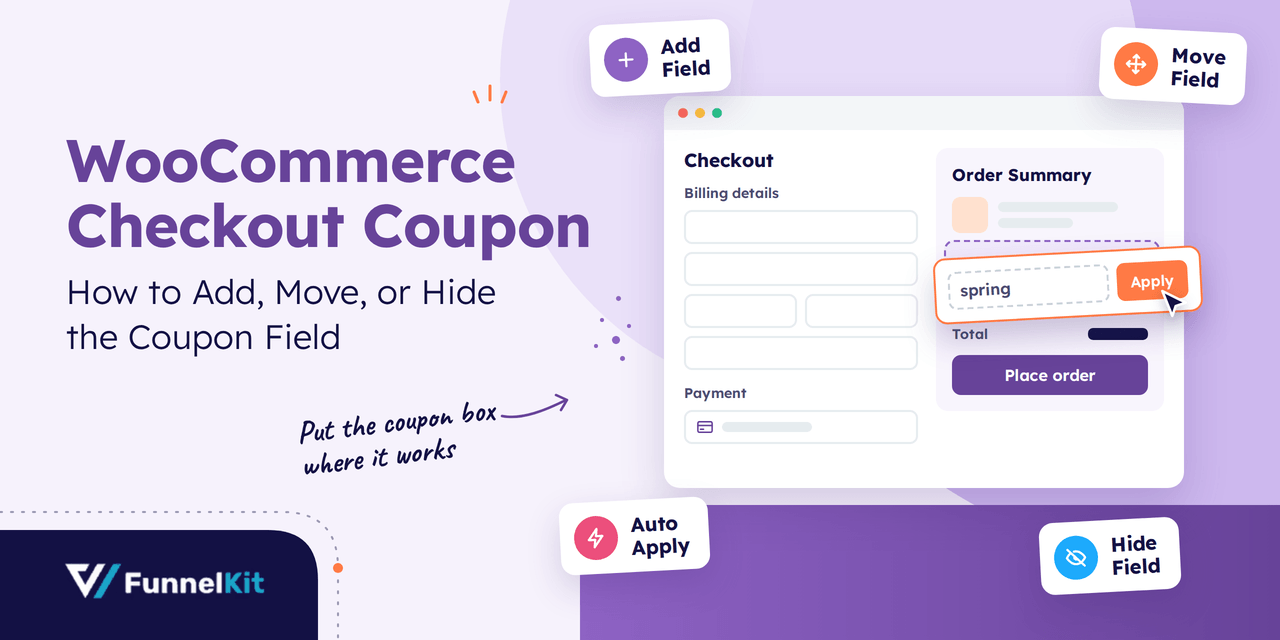
WooCommerce Checkout Coupon: How to Add, Move, or Hide the Coupon Field
The WooCommerce checkout coupon field is where shoppers enter a discount code before they pay. Once coupons are turned on, WooCommerce adds it to both the cart and the checkout page. Its default spot doesn't suit every store, and it also differs between classic and block checkout. Some owners want it closer to the order total. Others want it off the checkout page while keeping it on the cart. In this blog, we'll share how to add the field, move it, hide it, and apply coupons automatically, either at checkout or through a shareable link. Quick Answers: WooCommerce Checkout Coupon: Before we dive into the step-by-step
Oct 6, 2026
Editorial Team
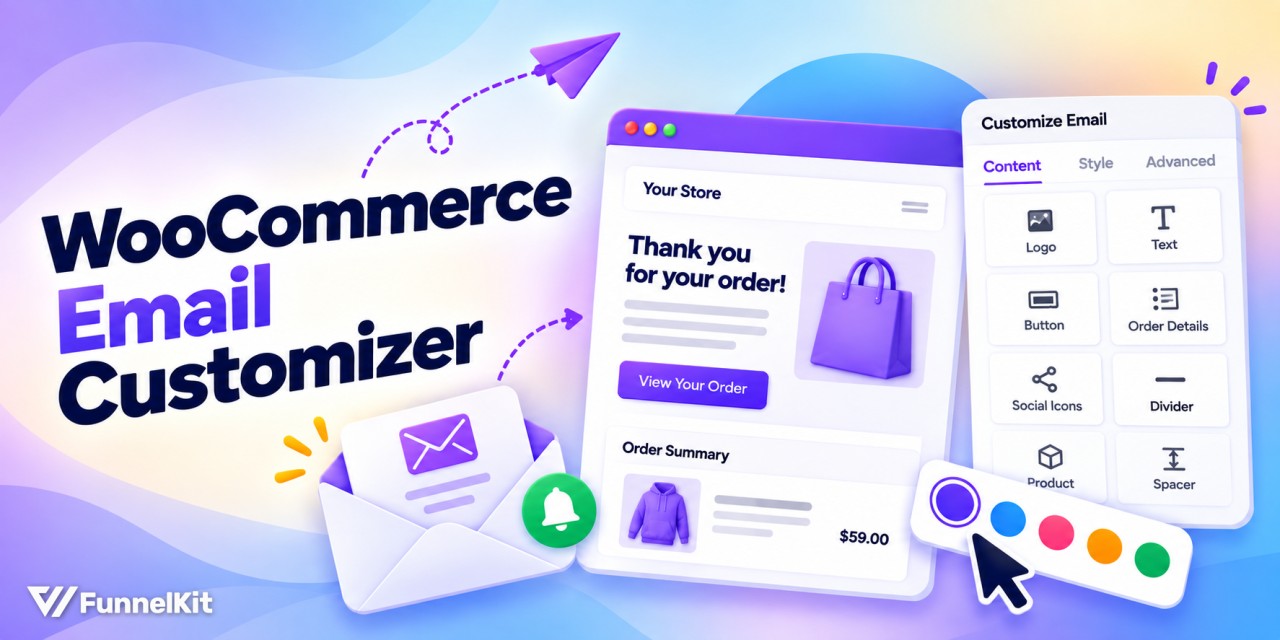
8 Best WooCommerce Email Customizer Plugins for 2026 (Tested & Compared)
WooCommerce email customizer plugins let you add your logo, brand colors, and preferred layout to order emails without touching code. The problem is that they don’t always cover every email your store sends. Most email builders only customize the templates they support. So a renewal email from WooCommerce Subscriptions can still show up in WooCommerce’s default design, right next to your newly branded order confirmation. This matters because transactional emails get opened. In fact, Omnisend’s 2025 data shows that order confirmations had a 57.91% average open rate, compared with 30.22% across all emails. That’s a lot of attention going to a generic layout with one accent
Oct 5, 2026
Editorial Team
Ready to Transform Your Store?
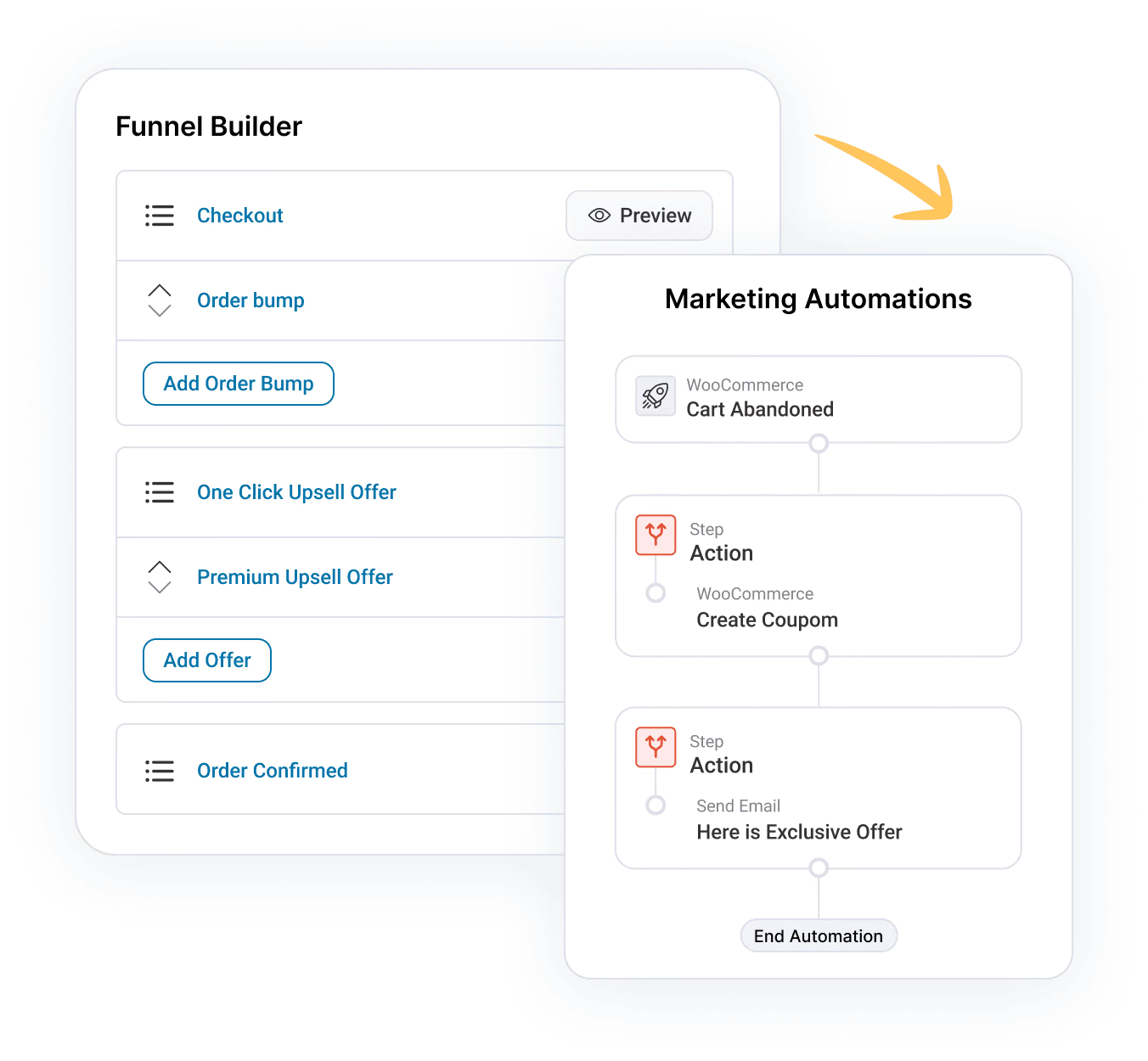
Join 40,300+ successful store owners who trust FunnelKit to power their businesses.
Conversion Optimized Checkout Pages
Increase Revenue with Smart Upsells
Capture Emails & Recover Abandoned Carts
Automate Winbacks & Repeat Sales


1007+ 5 star reviews on WordPress.org